What Lives Under a Block-Paved Drive
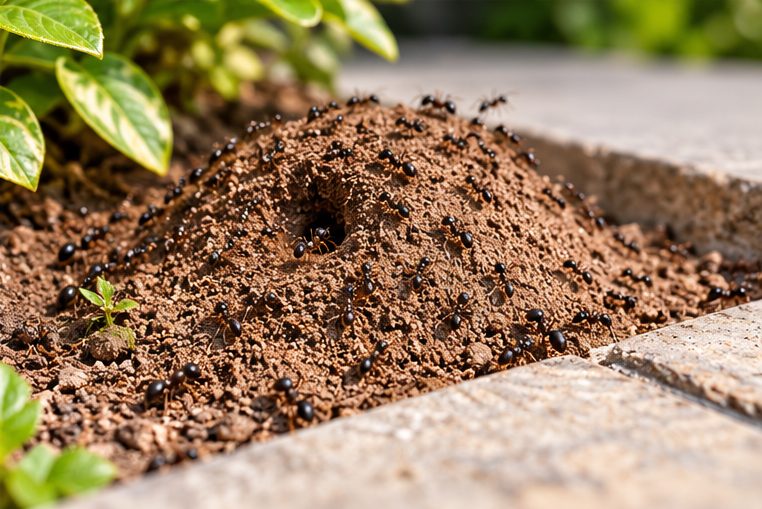
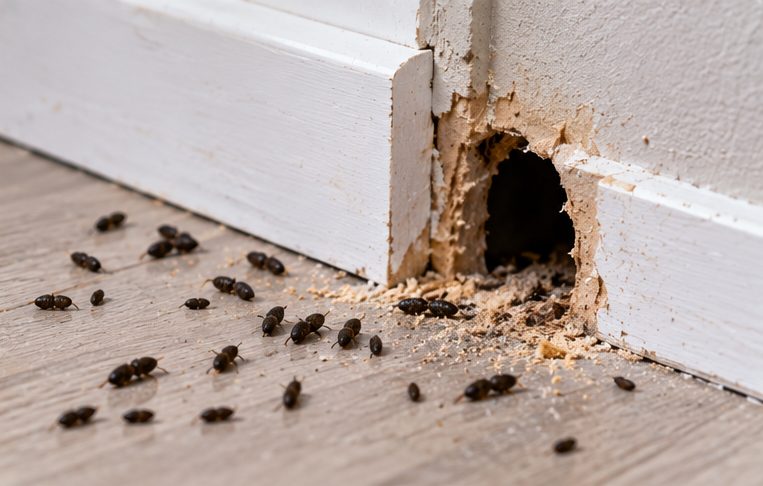
Block paving sits on a sand bed with more sand brushed into every joint, and the whole thing drains and warms faster than the soil around it. A colony moving in gets loose material it can tunnel through, slabs of concrete above holding the day's heat, and a roof over its head that keeps the rain off. The evidence is on the surface: fine spoil heaped along a joint line, blocks that sit slightly proud where the bed beneath them has been worked, and trails that vanish into the same three or four joints every time. Spoil that reappears within a day of being swept away means the tunnels under it are still in use. Where ants nest around houses covers the other spots, and how to find an ant nest shows how to trace one without lifting anything.
Kerb edges, the path round the side and the patio
The same ground repeats all the way round the house. There is the haunching behind the kerb at the edge of the drive, the strip of gravel or bare earth between the paving and the garage wall, the narrow path down the side to the gate, and the patio at the back where the slabs meet the house. Anywhere a hard surface butts up against warm brickwork gives a colony shelter on one side and open ground on the other. A nest in ground that suits it stays put for years, which is why the trail comes back to the same door each summer rather than moving somewhere new.
From the Threshold to the Back Kitchen
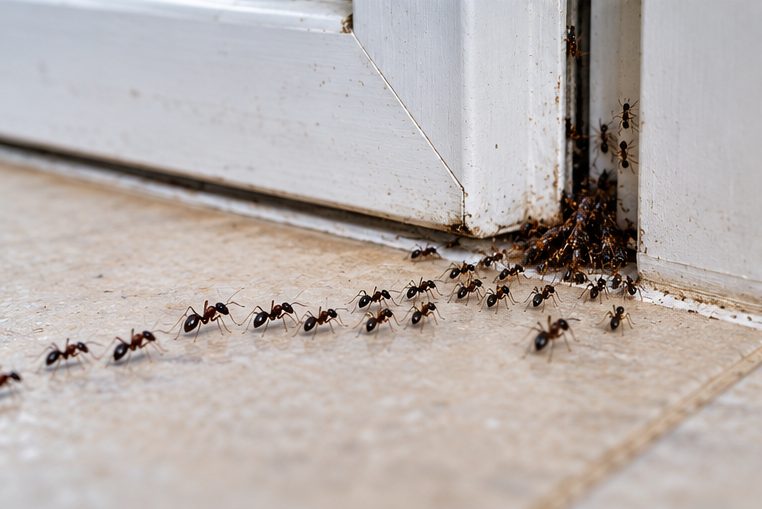
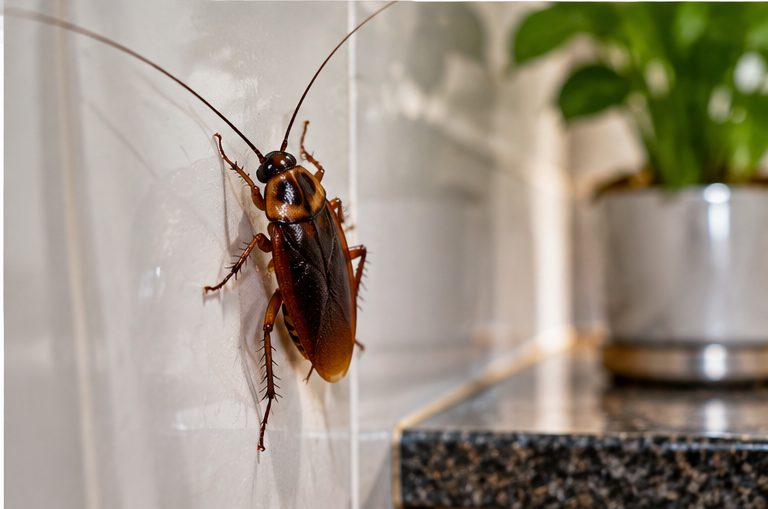
However far the nest is from the house, the way in is always at floor level. Worth looking at: the worn threshold under the front door and inside the porch, the gap beneath a side door into the garage, an air brick set low in the wall, and the holes drilled through for a waste pipe, a condensate pipe or a boiler flue. Most Preston kitchens sit at the back of the house, often in a rear extension, and the trail indoors usually ends up behind a kickboard or under a unit where something sweet has been spilled and forgotten. Follow it as far as it goes, then step outside and study that same point from the other side. Can ants nest inside walls? deals with trails that seem to start from nothing. Small brown insects that scatter from under a kickboard when the light goes on, in a flat above the parade by the station, are cockroaches rather than ants.
Flying Ant Days Over Hot Block Paving
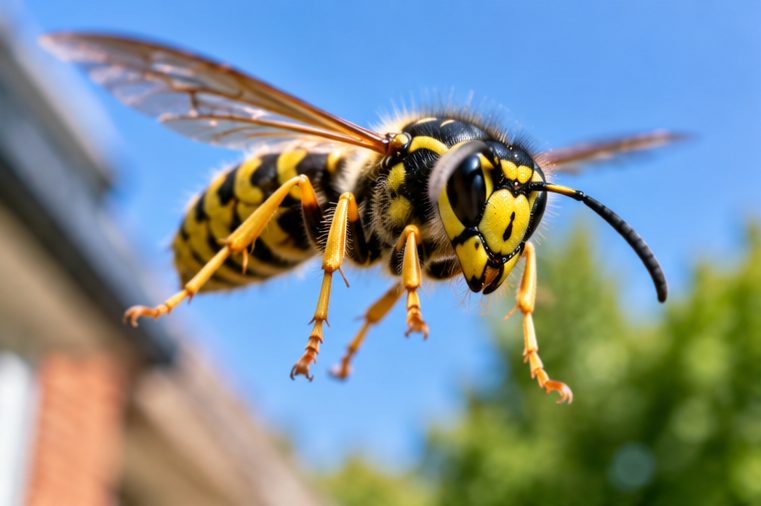
For a few close, muggy days in high summer, the colonies in a street send up their winged queens and males within hours of each other, and a sun-baked drive can look as if it is smoking. Out on the paving it passes in a day or so and needs nothing beyond shutting the front door and covering drinks. Winged ants coming up inside the house — through a gap in a floorboard, from behind the skirting, or around an old hearth — say the nest is under the floor rather than out on the drive, which is worth telling us when you book. Why flying ants suddenly appear indoors explains the timing, and the Pest Control Preston page sets these days alongside the rest of the year. Insects using one fixed opening in the roofline for weeks together are a wasp nest and a separate job.
Booking Ant Control in Preston
- Say whether the property is a house or a flat, and where the kitchen sits
- Describe the entry point as well as you can: front threshold, porch, air brick, drilled pipe hole, patio joint or behind the units
- Note where the trail goes once it is outdoors — into a paving joint, along a kerb, under the garage wall
- Stop spraying the trail before the visit; warm soapy water on the worktop is enough, and the ants need to stay traceable
- Lift pet bowls overnight, keep sweet things shut away, and sweep spoil heaps off the paving so you can tell fresh ones
Ants can still be about for a while afterwards, and how long depends on the size of the colony and how far it runs under the paving — how long ant treatment takes goes into what affects it. If nothing has eased off, ring us back and describe what you are seeing and exactly where. Shop-bought powders often clear a trail for a fortnight and no longer, because the ground under the drive is untouched, which is the subject of why ants come back after DIY treatment.
Keeping Ants Off the Paving and Out of the Kitchen
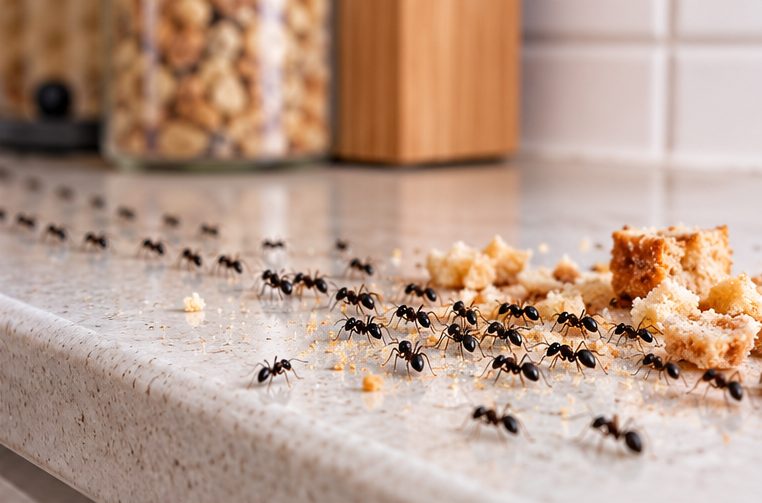
With the colony dealt with, the jobs that matter are all at ground level round the outside of the house. How to stop ants entering your home has the detail, our Brent ant advice takes the wider view, Ant Control Brent covers the borough, and nearby Sudbury has drives and back gardens of much the same pattern.
- Brush kiln-dried sand back into the paving joints each spring and re-bed any block that rocks underfoot
- Repoint the joint where the patio or path meets the brickwork, and pack out daylight under the front and side doors
- Keep pots, bags of compost and stacked timber off the paving against the house wall, so nothing is sheltering ground right beside the door
- Deal with aphids on roses and shrubs by the porch, since ants farm them for honeydew and will keep the route busy
- Sweep spilled bird seed and fallen fruit off the drive and patio rather than leaving it to be found